Skills framework starter kit
An open-source kit to help you design and publish your own human and AI-readable skills framework
We spend most of our money in organisations on formal learning such as training and education. But, if we’re honest, most learning actually happens informally: through curiosity, social sharing, trial and error, on-the-job experience, and mentoring.
So, if that’s where the real value is, why do we keep putting all our resources into the formal side?
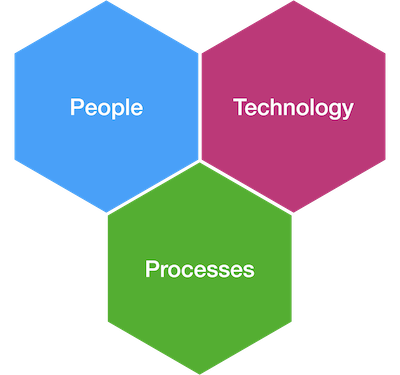
A target operating model (TOM) is a way of describing how our ideal organisation will deliver value. It usually covers three main areas: people, processes, and technology.
The people section typically includes descriptions of:
The processes typically describe:
In the technology section, we often include:
If we apply the TOM lens to informal learning, things look a little different to how they might look for formal learning:
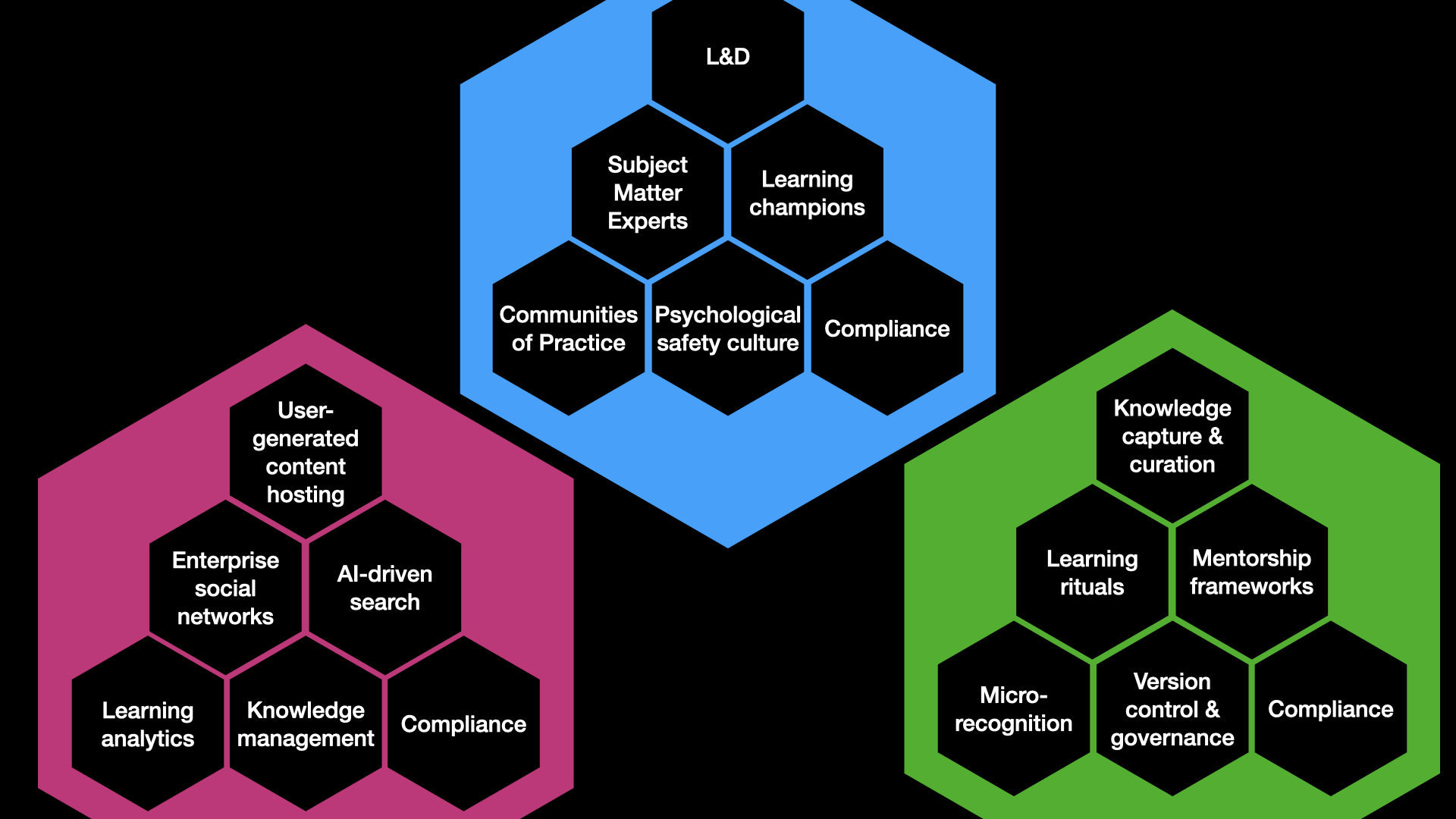
In an informal learning model, the role of Learning & Development (L&D) shifts from a focus on training to a focus on supporting the informal learning processes.
Subject Matter Experts (SMEs) become active content producers, sharing their expertise directly with colleagues.
Learning champions emerge — individuals who model positive learning behaviours, help build communities, and encourage others to share knowledge.
Communities of practice form around shared areas of expertise - providing a space for ongoing dialogue and support.
A culture of psychological safety is essential, so people feel comfortable asking questions and sharing what they know without fear of judgement.
And all of this must still operate within a framework of compliance, ensuring that behaviours remain legal and ethical.
Processes for informal learning focus on aspects such:
The technology that supports informal learning needs to enable:
Every organisation is different, so the ideas above may need to be adjusted to your context. Once you have an idea of where you’re heading, then it’s time to map out how you will get there.
Consider your current state and the key milestones, challenges and resources you’ll need to get to your target.
Then break this roadmap down into actionable steps - assigning responsibilities, setting timelines, and defining how you’ll measure progress.
Then comes the hard work of implementation. That requires clear communication, solid support for your champions, and adaptation as you learn what works best in your context.
If you'd like to discuss this article, or how I can help you, get in touch.
Posted: 21 May 2026
Tags: Informal learning Solution design Content management
An open-source kit to help you design and publish your own human and AI-readable skills framework
Was elearning as we know it just a temporary detour?
Practical habits non-coders can use with AI coding tools to reduce risk and build maintainable, reliable solutions.
How we can now move away from the course being the default unit of learning
With the rise of the AI content creation tools, do we still need elearning authoring software?
A dive into this new technology